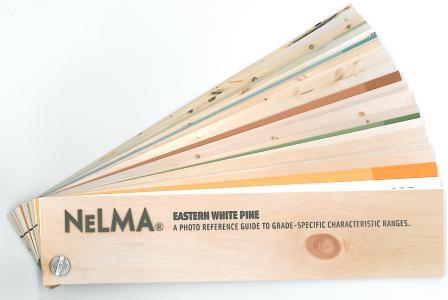
If you’ve been doomscrolling home design feeds or watching renovation videos lately, you’ve probably noticed it: wood is everywhere again.
Not just as flooring. Not just as furniture. We’re talking walls, ceilings, built-ins, shelves, and “wood drenching”—the trend of wrapping interiors in natural wood to create spaces that feel warmer and more grounded.
And one species is especially well positioned for this return: Eastern White Pine (EWP).
Long a staple across the Northeast, EWP is loved for its approachable look, workability, and connection to regional craft traditions. But today’s consumers aren’t just choosing “nice wood.” They’re choosing materials with story, texture, and values.
Here are five trends driving Eastern White Pine’s new momentum—and how homeowners and DIYers can use it beautifully.
Local wood is becoming the new definition of “green”
For today’s DIYers and homeowners, “sustainable building” isn’t just about recycled materials or low-VOC finishes. Increasingly, it’s about where materials come from—and how far they travel.
We call this shift “building smarter, not farther,” and it’s simple: when lumber is sourced and milled closer to home, it typically means lower transportation emissions, support for regional mills, and a deeper connection to place.
Consumer tip: next time you’re at the lumberyard, ask:
-
Where was this pine harvested?
-
Where was it milled?
-
Is it grade-stamped?
Warm minimalism is replacing cool, ultra-modern interiors
Design trends come and go—but today’s consumers want homes that feel calm, cozy, and human.
EWP fits perfectly into this “warm minimalism” movement because it’s:
-
light and bright (great for smaller rooms)
-
naturally warm (without going orange)
-
adaptable across styles (modern, coastal, farmhouse, cabin)
Instead of a cold, monochrome palette, more homeowners are choosing layered neutrals, tactile textures, and natural materials. Wood brings all of that instantly.
EWP is stepping into the spotlight as a statement surface
Walls and ceilings used to be “background.” Now, they’re becoming the feature.
From porch ceilings to mudrooms to home offices, we’re seeing more consumers use EWP to create:
-
tongue-and-groove accent walls
-
vertical slat feature walls
-
ceiling treatments
-
built-ins and shelving that read like furniture
Why the shift? Wood adds depth without clutter. It’s visually rich but still soothing. And it makes spaces feel finished—without relying on lots of décor.
Consumer tip: if you’re trying a pine statement surface for the first time, start with one area:
-
a ceiling
-
one wall
-
a built-in
Then expand once you see the effect.
Grain-forward finishing is the next “wow” trend
For years, the default approach to wood finishes was often: hide variation, keep it uniform, sand everything smooth.
Now? More people want to celebrate the grain.
We recently highlighted “grain popping” (also called water popping or grain raising) as a finishing technique to watch—because it helps wood absorb stain more evenly and brings out deeper, richer character.
At a high level, the technique looks like this:
-
Sand the surface (often 150–220 grit)
-
Lightly wipe or mist with clean water
-
Let it dry fully
-
Sand lightly again
-
Apply stain and finish
It’s a small extra step—but it can make pine look remarkably elevated, especially in interior applications like paneling or built-ins.
Consumer tip: always test the finish on an offcut first. Pine can vary from board to board, and a quick test prevents surprises.
Consumers are choosing “story materials,” not perfect materials
One of the biggest shifts in design right now is a move away from materials that look engineered to be flawless.
Instead, consumers are gravitating toward authenticity:
-
real wood
-
real texture
-
regional identity
-
visible craft
Eastern White Pine carries that story naturally. It’s tied to Northeastern forests, mills, and building traditions—and when it’s responsibly sourced, it fits neatly into today’s values-based purchasing mindset.
In other words: the new design flex isn’t perfection. It’s provenance.
Quick checklist: choosing Eastern White Pine for your next project
If you’re buying pine for a DIY build, trim work, shelving, or interior paneling, here are a few quick things to keep in mind:
-
Decide your look first: natural + clear coat? painted? stained?
-
Pick boards intentionally: look at grain, knots, and color variation
-
Acclimate the wood: let boards sit in the space before installing
-
Finish thoughtfully: pine rewards patience—especially with stain
-
Ask for locally sourced options: you’ll often get a better story and better connection to place.
Build beautiful. Build local. And let the grain show.