The lumber industry has long supplied the raw material for civilization — framing homes, shaping skylines, furnishing interiors. But raw material alone doesn’t drive innovation. That requires designers, architects, and engineers who understand wood deeply enough to push it in new directions. Student design competitions are one of the most direct ways the industry invests in that future, and the organizations and manufacturers behind them deserve more credit than they typically receive.



Who’s Running These Competitions?
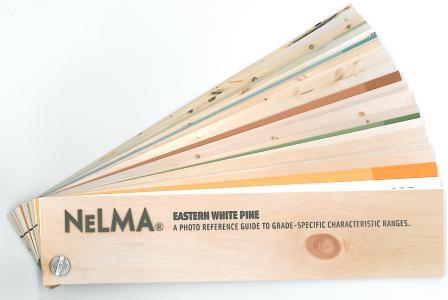
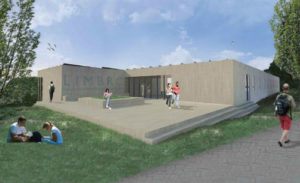
Several trade associations and industry groups have made student engagement a core part of their mission. The Northeastern Lumber Manufacturers Association (NELMA) offers the Sustainable Versatility Design Awards, a no-fee competition open to architecture and design students. Launched in 2010, the competition was developed after NELMA members recognized a real need to reintroduce wood to the next generation of architects and designers. Each year’s challenge pushes students to specify a project built around Eastern White Pine or SPF species — tackling briefs that have ranged from small freestanding structures to, in one memorable edition, a sustainable lunar habitat built primarily from wood.
On the engineering side, APA – The Engineered Wood Association, the American Wood Council, and Simpson Strong-Tie co-sponsor the Timber-Strong Design Build Competition, which challenges collegiate engineering students to design and build a structurally durable, sustainable, two-story light-frame wood building. Meanwhile, AWFS Fair has hosted Fresh Wood, a student design and build competition, since 1999, bringing together high school and post-secondary students from woodworking programs across North America to compete across several categories.
Industry Support Makes It Possible
These competitions don’t run themselves, and the financial commitment behind them reflects how seriously the broader industry takes the talent pipeline. Trade associations carry much of the organizational load, but product manufacturers have increasingly stepped up as direct sponsors — a sign that companies are connecting the dots between student exposure today and specification decisions tomorrow.
Simpson Strong-Tie, whose connectors and fasteners are fundamental to wood-frame construction, co-sponsors the Timber-Strong competition alongside APA and the American Wood Council — a direct investment in training the engineers who will someday design the buildings that use their products. On the woodworking side, the AWFS Design-it-Digital Competition counts INNERGY as Platinum Sponsor and Oneida Air Systems as Materials Sponsor, both product companies with a stake in the next generation of wood industry professionals. Across competitions broadly, a wide range of sponsors contribute materials, equipment, and professional judges — reflecting the industry’s ongoing commitment to workforce development and technical education.
Why It Matters
The most immediate argument for these competitions is workforce development. The woodworking and cabinetmaking sectors continue to face skilled labor shortages, and events like these help address the issue by introducing students to viable career paths. But the longer-term value may be even more significant: shaping how the next generation of designers and specifiers thinks about wood as a material.
An architecture student who completes a NELMA competition has spent weeks working through the structural and aesthetic possibilities of Eastern White Pine. They’ve considered grain, grade, dimensional variation, and sustainability. When that student graduates and begins specifying materials for real projects, wood isn’t an afterthought — it’s a material they know intimately. NELMA has awarded both cash and publicity to budding architects who accept the annual challenge of specifying a unique project centered around wood species creating tangible incentive while building genuine material literacy.
Bringing together educators, students, and industry leaders creates opportunities for students to experience what a career in woodworking actually looks like — and hands-on support from industry, whether judging, mentoring, or providing materials, makes these competitions genuinely impactful. It’s also worth noting that competing materials industries — steel and concrete — run their own student design competitions aggressively. Wood’s presence in architecture and engineering schools isn’t guaranteed; it has to be earned and maintained. For manufacturers especially, there may be no better return on a sponsorship dollar than putting your product in front of a student who will spend the next thirty years making design decisions. These competitions are where that relationship begins.