Why “grain popping” is emerging as a must-do step in wood finishing
A design trend is quietly gaining momentum among architects, finishers, and DIYers alike: applying a prefinish water “pop” to open up wood grain and let the stain truly sing. The technique—often called water popping or grain raising—is becoming a go-to for richer, deeper, more even wood tones, especially on interior elements where the wood itself is part of the aesthetic.
What is water popping / grain raising?
-
After sanding the bare wood surface, you mist or wipe it with clean water. The moisture causes the wood fibers to swell and raise slightly.
-
Once the wood dries, those raised fibers are lightly abraded (sanded) to smooth the surface again—but crucially, the pores stay more open.
-
You then apply the stain or finish while those pores are receptive, which leads to deeper, more uniform absorption of color into the wood’s structure.
-
The result? Enhanced depth, more pronounced grain, fewer blotchy patches, and a more refined final look.
Why this matters now
Design tastes are veering toward natural, expressive materials—less “paint over it,” more “let the wood speak.” Finishes that highlight grain and texture are growing in appeal. This trend dovetails with demands for sustainability and authenticity: finishing techniques that let the inherent character of the wood show through are a powerful differentiator.
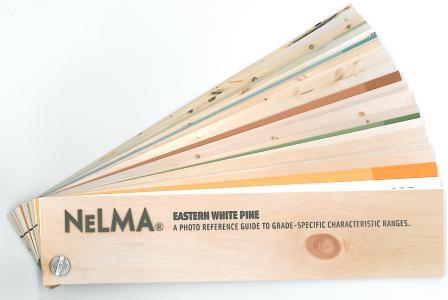
For the lumber sector, this shift underscores new opportunities to promote wood species (like eastern white pine) that respond well to such finishing methods. For architects and designers, water popping offers a reliable tool in your kit to push wood surfaces into premium territory. And for DIY consumers, it’s a relatively simple, high-payoff upgrade: a small extra step for a dramatically improved finish.