New Milling Process Turns Waste Wood into Architectural Trim

4273093863_852b765209_z

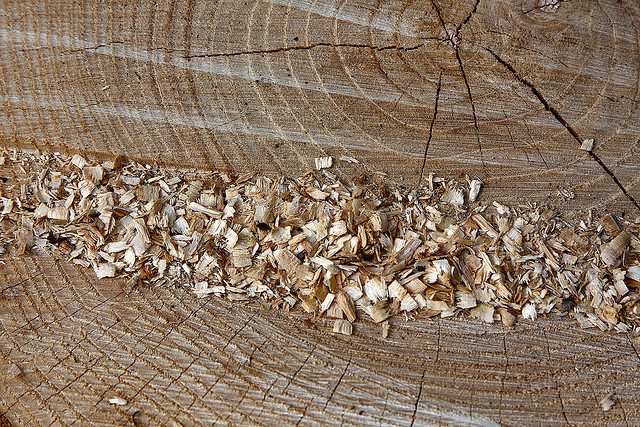
After eight years of research and testing, Georgia-based timber company Gilman Building Products has devised a way to transform sawdust and other wood manufacturing waste into value-added products like architectural trim. Pine remnants like immature trees and brush that are too small to be milled conventionally, which would normally go to waste or be used as fuel, can also be salvaged using the new process.

Aiming to use as much of their product as possible, cutting back the 25-40% yield loss that’s typical during the conventional milling process, the company developed a proprietary patent-pending kiln system that can bring the moisture content of this leftover material to commercial standards and turn it into engineered wood products. This reportedly reduces yield loss by 50% or more.

The scraps of wood typically produced as a byproduct of the lumber industry doesn’t go completely to waste when it’s not used in a high-tech new process like this one, however. Industry waste wood goes to sustainable biomass plants that burn it to produce clean, renewable energy.
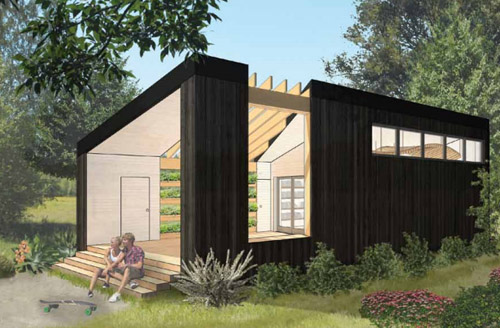
Photo by Horia Varlan

Small Sustainable Spaces: 3 Award-Winning Eastern White Pine Designs

Sustainable Versatility 2012 1


What does the future of sustainable architecture look like? Chances are, it’ll include a lot of wood – one of the greenest building materials around – whether used in tiny houses that reduce residents’ impact on the environment or even large-scale skyscrapers. The very first Sustainable Versatility Awards in 2012 asked architecture, engineering and design students to envision a small (600-square-foot) free-standing sustainable structure made of Eastern White Pine. Here are the three winning designs (see 2013’s winners, too!)

Sustainable Versatility 2012 2

In first place (above) is Studio Soleil, imagined as a detached teaching studio and performance space for a piano teacher. Created by Maynard Hayden León of Harvard University Graduate School of Design, this plan uses Eastern White Pine for built-in millwork, including bookshelves lining the main space, and an acoustic baffle system. The exterior features the traditional ‘Shou Sugi Ban’ method of charred wooden siding, which protects against rain, rot and insects for 80 years.

Sustainable Versatility 2012 3

Benjamin J. Greer of Northeastern University won second place with HOME, a modern sustainable house inspired by the traditional Northeast log cabin. Packing lots of comfort and function into the small footprint, it’s got a slatted wood facade that filters light and provides privacy. The interior is smartly laid out to make the most of the space, and there’s even a second-floor terrace.

Sustainable Versatility 2012 4

REST AREA by Natalie Petricca of Carleton University is a striking, artistic pavilion offering an intriguing resting spot for hikers on a forest trail. Eastern White Pine stakes surrounding the sculptural benches mimic the trunks of the adjacent trees, and the seating is inclined to encourage gazing up at the branches.

Forest Facts: Cutting Down Trees Isn’t (Always) a Bad Thing

Cutting Trees

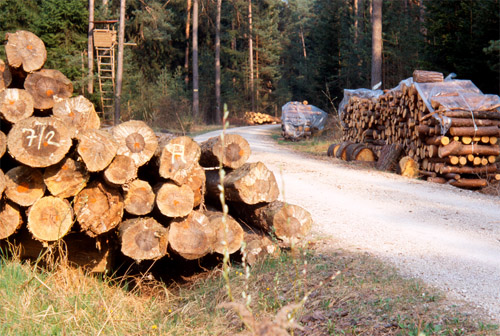
It can seem like a terrible shame to cut down a strong, healthy tree – and often, it is. There are certainly times when mature trees are cut down for no good reason, or without any sort of plan to properly replace them. But the perception that cutting down trees is always bad just isn’t true. In fact, when properly managed, the process of growing and harvesting trees is an important part of a sustainable future for humans, wildlife and the environment.

The most important reason for this is very simple: trees are a renewable resource, and provide essential raw material for thousands of products, including wood, paper and even lumber byproducts that can be burned for energy. The fact is, wood is simply more sustainable than many other materials, to the point that it’s experiencing a major revival in even the largest-scale architecture and construction all over the world.

Unlike other raw materials, wood is easy and efficient to reproduce, especially fast-growing species like Eastern White Pine. Avoiding the devastating deforestation often associated with logging all comes down to sustainable methods of forestry, which meet the needs of the present without harming wildlife or the environment or compromising the ability of future generations to meet their own needs. Sustainable forestry methods outline long-term plans to ensure biodiversity in forests and regeneration capacity for decades or centuries to come.

In managed forests, the trees are younger and healthier, with care taken to ensure that they don’t become infested with pests or taken over by invasive species. Many people don’t know that young trees actually capture more carbon from the atmosphere and produce more oxygen than their old growth counterparts, helping to combat climate change. 

Supporting sustainably produced wood and paper products also helps keep more land forested, since it provides an economic incentive not to cut trees down to make way for agricultural, residential or commercial usage of the land.

Photo: Wikimedia Commons

Pumpkin Pine: Rare and Treasured Wood Gives Off a Warm Glow

Historic Pumpkin Pine 1

Try as you might with warm stains and shellacs, you can never quite replicate the beautiful aged glow that comes with very particular growing conditions along with centuries of foot traffic, steaming tea kettles, and winter fires roaring in the hearth. True ‘pumpkin pine’ is elusive, developing on its own as if from some alchemical combination of fine quality wood and the passage of time.

What’s known as ‘pumpkin pine’ is actually Eastern White Pine that has been carefully prepared and stored, turning a striking shade of orange on its own over a period of decades. Slow-growing pine trees in old-growth forests are thought to accumulate colored products in the heartwood.

Historic Pumpkin Pine 2

These warm tones are brought out by tucking sawn boards between layers of straw for aging, and wiping them down and turning them every two years. The process isn’t complete until the workers who initially prepared the wood are long gone – a whopping seventy years.

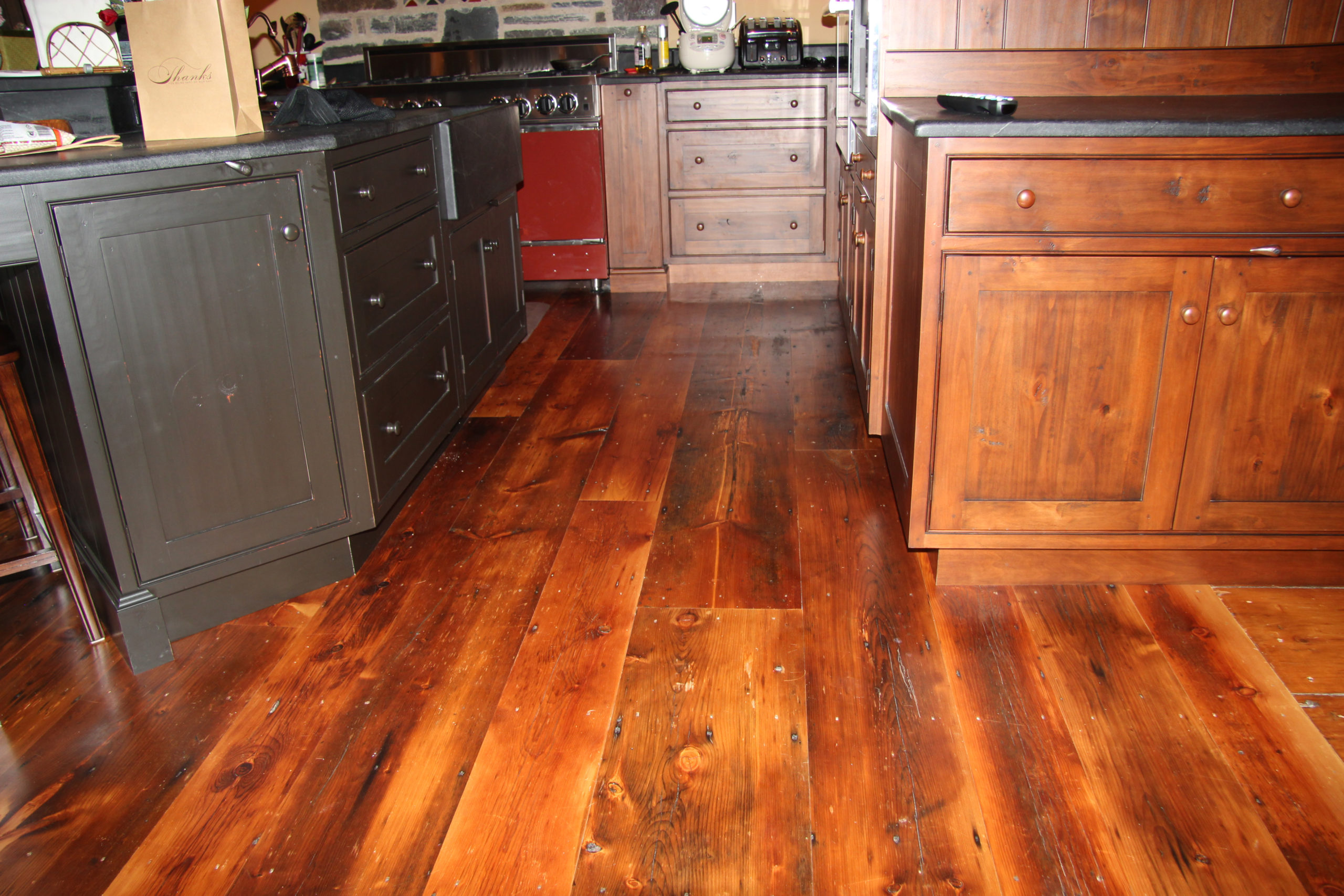
Homes with original pumpkin pine flooring can still be found throughout New England, and antiques – like the blanket chest pictured above – occasionally become available at auction. The true pumpkin pine that can be found for sale in lumber form is typically reclaimed from demolished historic structures. It’s never stained – just protected with a clear coat of wax or oil.

Historic Pumpkin Pine 3

Staining Eastern White Pine to mimic this nuanced look might not produce exactly the same effect, but it does result in a welcoming antique feel. See Hull Forest’s pumpkin-stained wood floors, above, for an example.

Forest Facts: Sustainable Forestry Initiative Helps Protect Migratory Birds

Sustainable Forestry Protects Birds

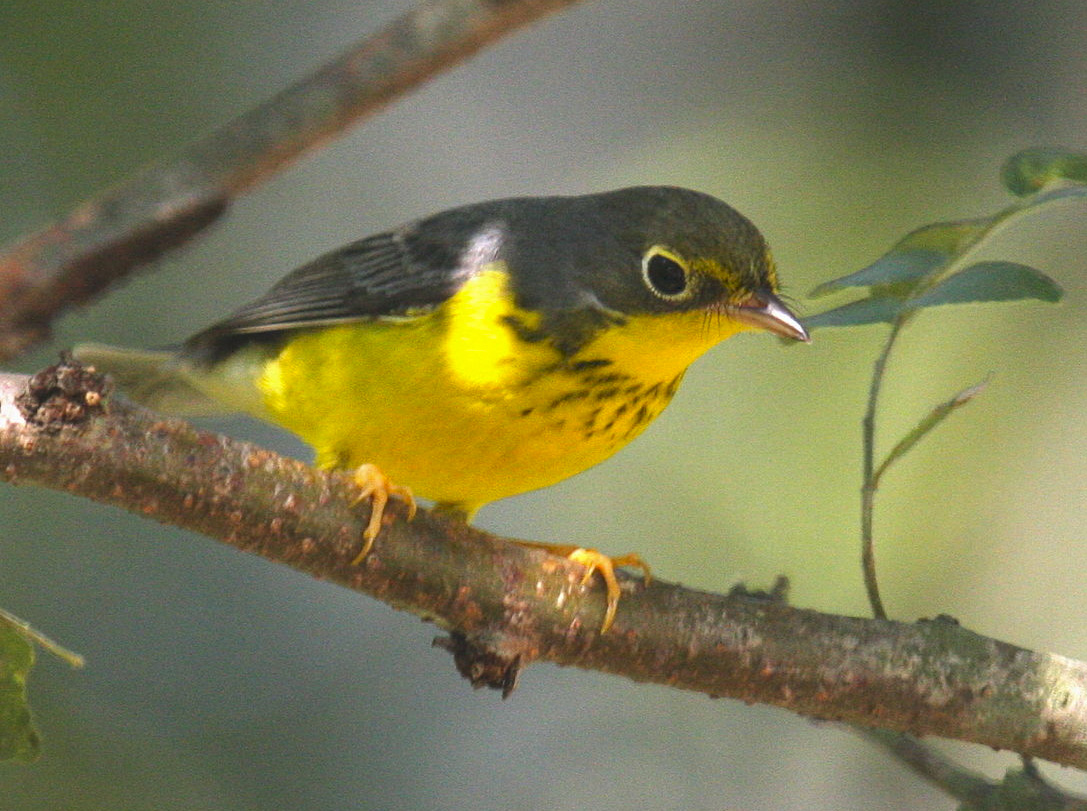
Sustainable forestry practices help preserve the habitats of countless species of plants and wildlife, and a new program supported by the Sustainable Forestry Initiative (SFI) aims to boost that effect even more with detailed maps of breeding bird species. Bird enthusiasts and biologists are joining together to gather information that will help manage and conserve bird habitats in forests that are used for recreational, industrial and research purposes.

Bird Studies Canada and its partners have teamed up with SFI to develop a series of Breeding Bird Atlases showing where hundreds of bird species breed within particular regions of Canada. Bird lovers have taken part in the process by volunteering their time to collect data across each region over a five-year period. About 1.3 million breeding bird records have been collected.

“As wild birds are excellent indicators of environmental health, this research plays a pivotal role in how Canada’s bird populations may be affected by a variety of factors in our forests,” said Kathy Abusow, President and CEO of SFI, Inc. “For one, the results of this research will provide updated information for forest managers related to bird habitat, which can better inform forest management decisions and practices.”

Sustainable forestry protects birds and other wildlife with a multi-step process of evaluation, management and regeneration that ensures that tree removal won’t harm the ecosystem and will allow for a continued harvest in the future. Learn more about the differences between sustainable and traditional forestry.

This Week in Wood: 2014 National Wood Award Winners

Wood Architecture Awards 1


Standout wooden buildings from a variety of projects around the world have been announced as the winners of the 2014 National Wood Design Awards. Held each year by WoodWorks, an initiative of the Wood Products Council, the awards honor “outstanding projects that bring to life wood’s natural beauty and versatility in building design.”

Wood Architecture Awards 2

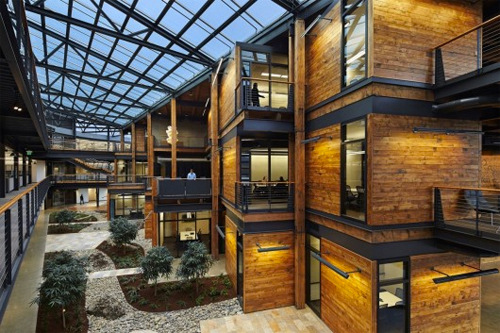
Among the 13 winners were the Federal Center South Building 1202, top, and the Cascades Academy of Central Oregon Campus by Hennebery Eddy Architects. The former, located in Seattle, inserted beautiful timber-clad volumes into a reclaimed warehouse to create high-performance, cost-effective and sustainable workspace environments.

Wood Architecture Awards 3

The Cascades Academy, in Portland, integrates sloping wood-covered surfaces throughout the interior. The James and Anne Robinson Nature Center in Columbia, Maryland (above) achieved LEED-platinum status using wood as its primary material. The new performing arts center at Reed College, below, is another top design.

Wood Architecture Awards 4

All of the winning projects “push the envelope in wood design.” Check them out at the WoodWorks website.